
Warehousing Construction Leads
Mercator.ai tracks warehousing construction projects from the earliest planning signals through construction start. Get AI-powered visibility into upcoming warehousing projects before they go to bid.
Book a Live DemoWhat Is Warehousing Construction?
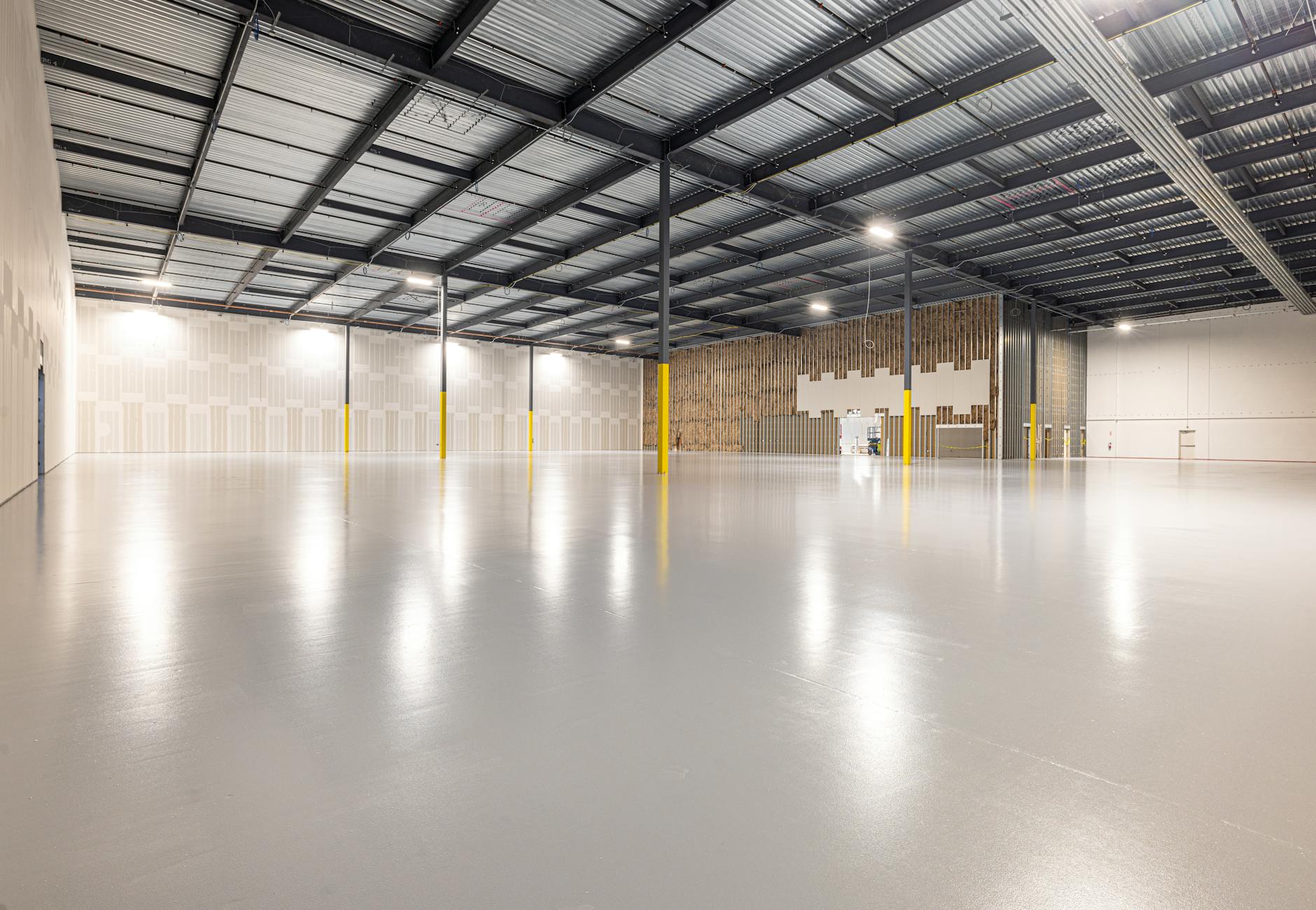
Warehousing construction includes distribution centers, fulfillment facilities, cold storage, and logistics terminals. The warehousing sector has experienced sustained growth driven by e-commerce, last-mile delivery demand, and supply chain modernization.
Warehousing has been the dominant industrial construction type for the past decade, driven by Amazon, Walmart, and other major retailers expanding their distribution networks. Projects range from 100,000 square foot last-mile facilities in suburban markets to 1M+ square foot regional distribution centers along interstate corridors. Specialized subcategories include cold storage (for grocery and pharmaceutical distribution), cross-dock facilities (for high-velocity logistics), and automated fulfillment centers (with extensive conveyor and robotics infrastructure). Each type requires different construction expertise, and contractors who understand these distinctions can position themselves for the right opportunities.
The Problem with Traditional Warehousing Lead Sources
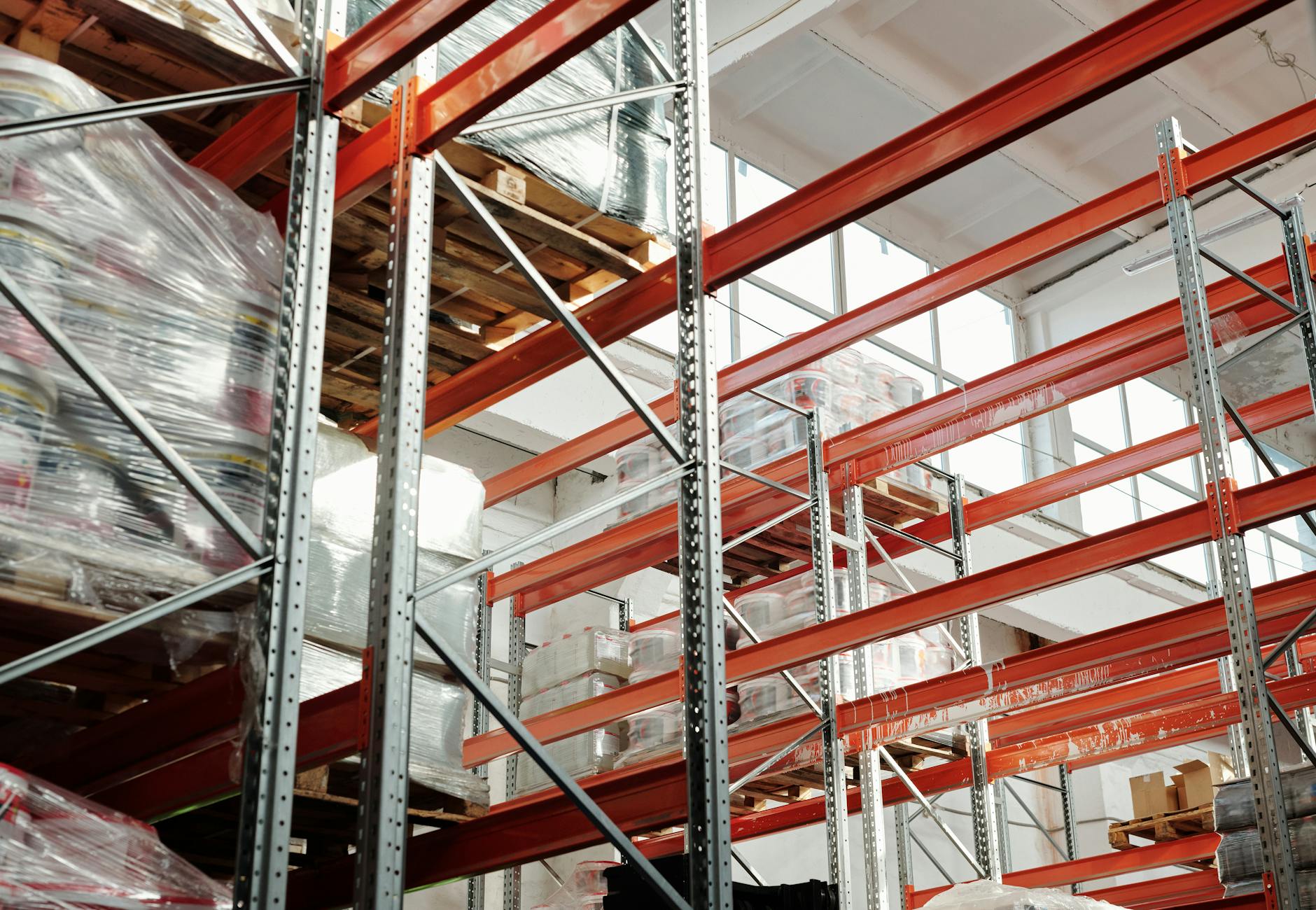
Warehousing construction leads are concentrated among a small number of industrial developers and logistics end users. These projects are often awarded through negotiated contracts or preferred contractor relationships, not public bid processes. By the time a warehouse project appears on a bid board or industry publication, the developer has already engaged their general contractor for the shell and is only bidding out specific trade packages. Mercator.ai gives contractors visibility into the full pipeline of warehouse development activity in their market, from land options to building permits, so they can build the developer relationships that lead to awarded work.
Signals Mercator.ai Tracks for Warehousing Projects
Every warehousing project generates a series of public and semi-public signals before a contractor is ever selected. Mercator.ai's AI monitors these signals in real time:
- Land acquisitions along major highway corridors and intermodal terminals
- Site plan submissions for large-footprint single-story structures
- Building permits referencing distribution, logistics, or fulfillment use
- Refrigeration and cold storage mechanical permits
- Truck court and loading dock configuration permits
- Rail siding and intermodal connection permits

Why Earlier Visibility Matters for Warehousing
Warehousing projects move quickly from land acquisition to construction start, often 6 to 12 months for speculative projects. Developers are under pressure to deliver built inventory to meet tenant demand. Contractors who are tracking land acquisitions and site plan submissions in logistics corridors can position for work before the developer even issues an invitation to bid. For build-to-suit warehouse projects, the end user (retailer or logistics provider) and their broker select the contractor during design, making early relationship building essential.
What You Get with Mercator.ai for Warehousing Leads
Mercator.ai delivers more than a list of projects. Every warehousing construction lead in the platform includes the complete intelligence package you need to evaluate the opportunity and take action:
Project Details
Full project scope including building type, square footage, estimated value, and current development stage for every warehousing project detected.
Stakeholder Contacts
Names and contact information for property owners, developers, architects, engineers, and other project stakeholders so you can reach the right decision-maker.
Development Timeline
A complete history of each warehousing project's development activity, from the initial land deal through current permit status, so you understand where the project stands.
Real-Time Alerts
Customizable notifications when new warehousing projects are detected in your market, when projects advance to the next stage, or when key stakeholder information changes.
From Planning to Construction Start
Mercator.ai tracks warehousing projects through every stage of the pre-construction pipeline. Here is how a typical warehousing project moves from concept to construction, and where Mercator.ai gives you an advantage:
Land acquisition along a highway corridor or near an intermodal facility signals new warehouse development
Site plan and zoning submissions confirm the building footprint, dock configuration, and development timeline
Grading and utility permits indicate active site development and an approaching construction start
Building permit filings provide structural and MEP specifications for the warehouse facility
Mercator.ai monitors every stage and sends real-time alerts so contractors can engage developers at the earliest opportunity
How Contractors Use Mercator.ai for Warehousing Projects
General Contractors
Track warehousing projects from land acquisition through permit filing. Build relationships with owners and developers before the project goes to formal bid. Use Mercator.ai's stakeholder data to identify the decision-makers and design professionals involved, and time your outreach to coincide with the stage when contractor relationships are being formed.
Subcontractors
Identify warehousing projects that match your specialty trade and engage general contractors early in the process. Knowing about a project before the GC issues a sub-bid invitation gives you time to prepare competitive pricing and demonstrate relevant experience. Mercator.ai shows you the project scope, timeline, and design team so you can target the right opportunities.
Suppliers & Manufacturers
Discover warehousing projects during the design and specification phase when product selections are being made. Engage architects and engineers with product information and technical support while they are still evaluating options. Mercator.ai tracks the design team and project scope so you can align your outreach with the specification timeline.
Warehousing Construction Lead Coverage
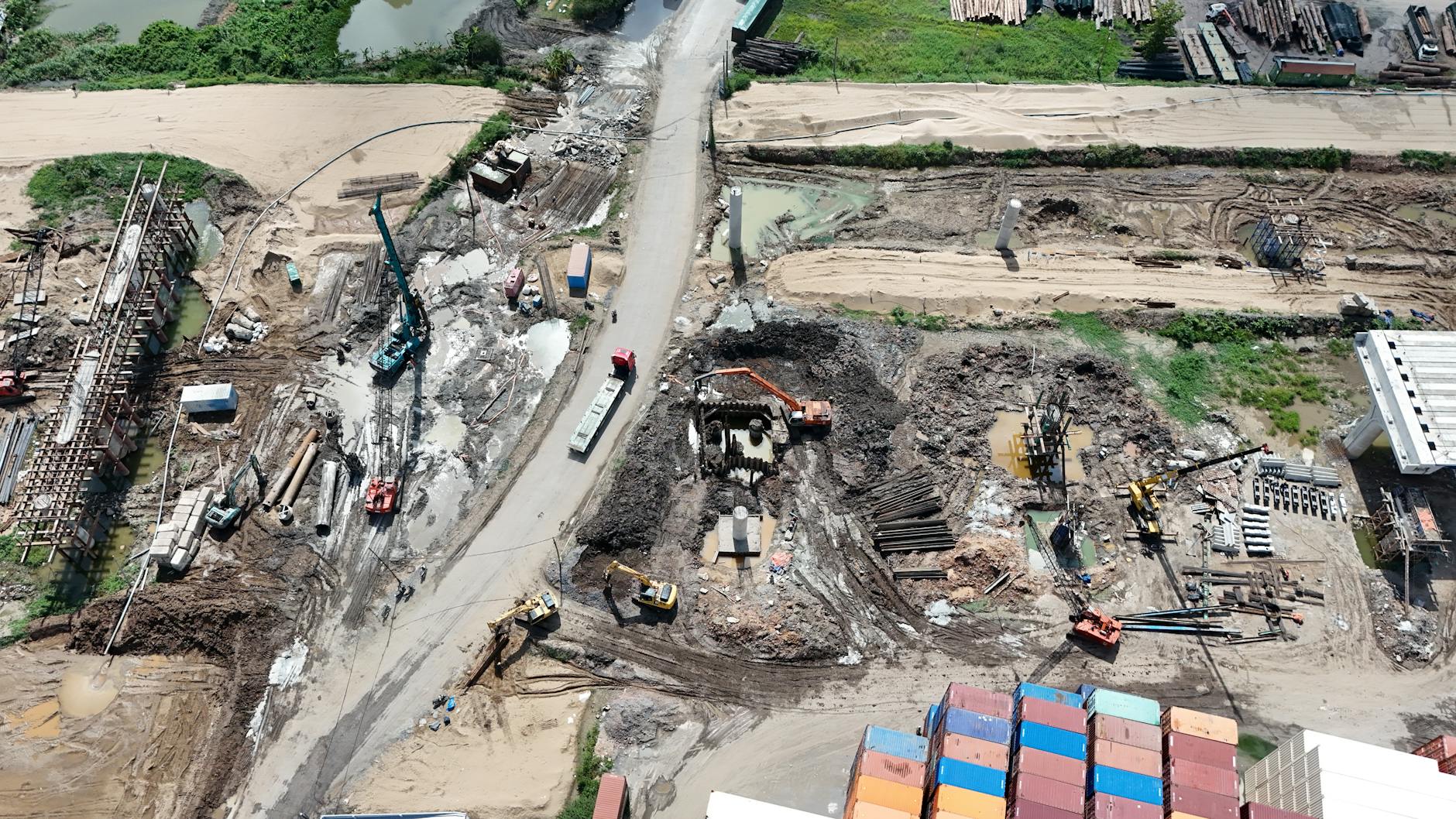
Mercator.ai is currently live in Texas and Florida, with plans to expand to additional states. As coverage grows, warehousing contractors in more markets will have access to the same AI-powered project intelligence that top firms in our launch markets already use.
Join the waitlist to be notified when Mercator.ai launches warehousing construction lead coverage in your market. Early waitlist members will receive priority access and onboarding support.
Every warehousing project in Mercator.ai includes the project location, development stage, stakeholder contacts, scope details, and a full timeline of development activity. You can set up custom alerts to be notified when new warehousing projects are detected, when existing projects advance to the next stage, or when stakeholder information changes.

Related Industrial Categories
Industrial Leads
Industrial construction covers manufacturing plants, distribution centers, logistics hubs, processing facilities, and he...
Data Center Leads
Data center construction includes hyperscale facilities, colocation centers, edge computing installations, and enterpris...
Light Industrial Leads
Light industrial construction includes flex spaces, small warehouses, workshop facilities, maker spaces, self-storage, a...
Manufacturing Leads
Manufacturing construction includes automotive plants, semiconductor fabrication facilities, food processing plants, pha...
Treatment Plants Leads
Treatment plant construction encompasses water treatment facilities, wastewater treatment plants, reclaimed water system...
Ready to Find Projects Before Your Competitors?
Used by hundreds of business development and pre-construction professionals. Discover private construction projects earlier, build relationships with decision-makers, and win more work.
Book a Live Demo